They say it takes a village..
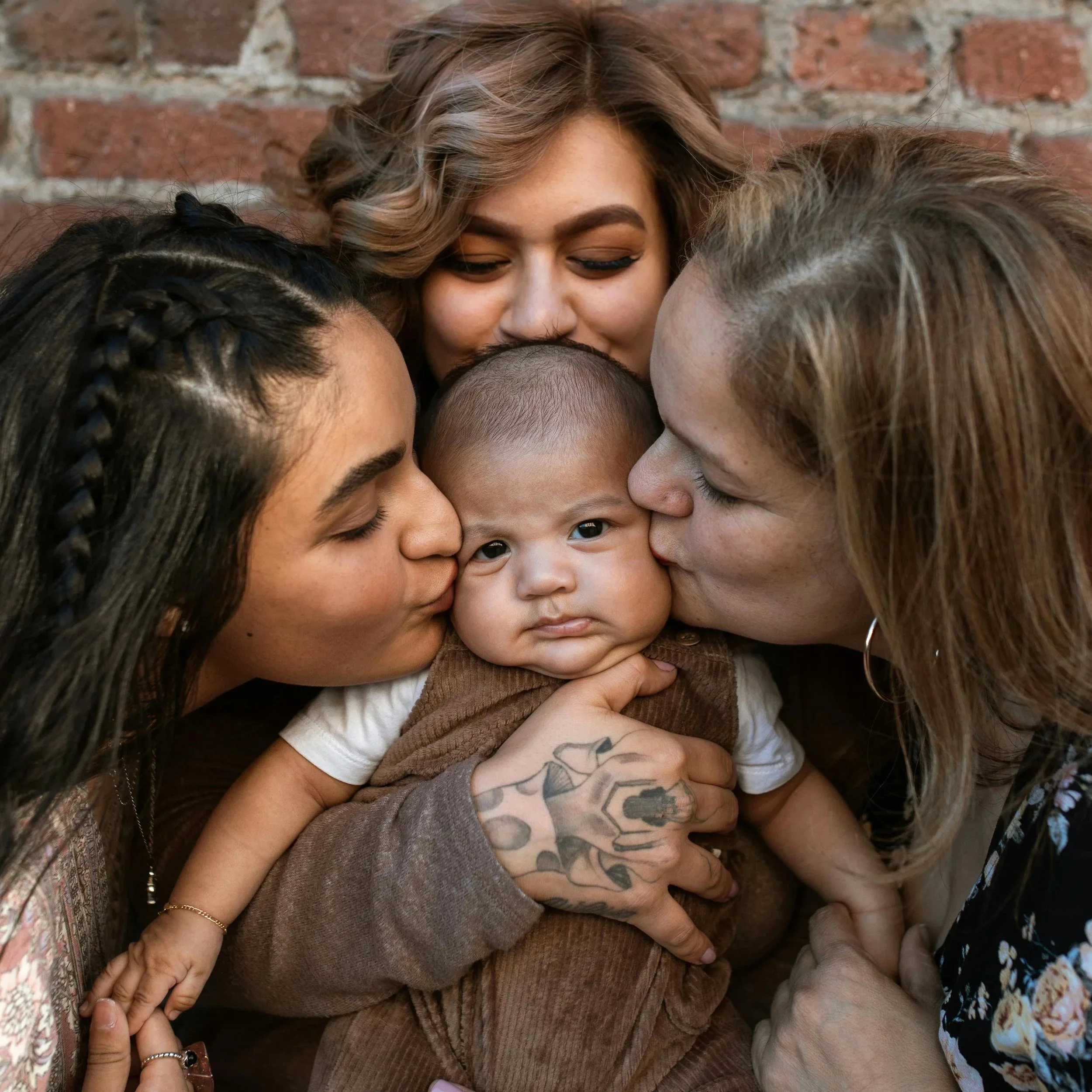
“We haven’t always raised children this way” is a sentence I seem to say a lot in my work with families! And it’s true - the way we raise children has significantly changed in the past two hundred years. The ‘nuclear’ or two parent family model has been normalised in countries such as the UK and even idealised as the best and most ‘traditional’ structure. However, it is very culturally and historically rooted.
The beginning of the industrial revolution brought major change to economic and social structures in the UK, which saw extended families being separated, people moving into cities for work and the dominance of values such as productivity and independence. Academic research and public policy in the twentieth century also promoted an idealised vision of the nuclear family which included a gender-based division of labour, placing mothers in the role of ‘primary care giver’ and ‘homemaker’. However, when we take a more cross-cultural or historical view we can see that in most human societies, multiple people beyond the mother are typically involved in raising children.
Our babies are born very vulnerable and have an extended infancy compared to other species, requiring a huge amount of care in their early years to be healthy and safe. The proverb “It takes a village to raise a child” points to the reality that for most of human history we have been raising children within a network of extended family and community support.
Whilst there are benefits to living more independently in smaller family units, there is also a significant cost which is perhaps most acutely felt in the early years of parenting when we are coping with a whole host of emotional, physical and mental demands. Many parents report feeling lonely, isolated and in need of better support, especially in the first year.
So what can we do in the 21st century to create stronger networks of support around families – is it possible to have a modern village in which to raise our children? Some of us may have parents or other family members willing to help but many families live far apart, grandparents may still be working and we often lack the confidence or even the language to ask for the help we need unless it is readily given. It seems to me that one thing we could do with is a cultural shift where it is much more normal to ask for and receive help in the early years of parenting. Some of this might be informal from friends, relatives or neighbours and some of it might be paid help from a postnatal doula, massage therapist or cleaner.
I am the co-founder of a new community initiative in Lewes - the Lewes Birth Collective, we host an online directory of local practitioners and groups, community events and local support groups.
Our goal is to raise awareness of the incredible work being done by parents every day and acknowledge the massive gaps in postnatal health care and parenting support. We want to make it easier for families to build their own unique ‘village’ of support with help from local professionals, community groups and informal networks of support with other families.